Ride Well Training Tracker
Stop Relying on Memory. Start Tracking What Matters.
The Ride Well Training Tracker helps you turn thoughtful observation into an intentional training plan.
Assess your starting point, choose a meaningful priority, build an eight-week training block, track your horse's response, and use what you learn to decide what comes next.

The Ride Well Training Tracker guides you from observation to action.
Flip through this sample to see selected assessment, planning, training, tracking, and review pages.
This preview includes selected pages rather than the complete tracker.
Take a Look Inside
You Cannot Evaluate a Plan You Did Not Record
We remember the terrible ride, the breakthrough, or the day something simply felt wrong.
What is harder to remember are the gradual patterns in movement, behavior, workload, recovery, strength, and performance.
The Ride Well Training Tracker gives you one place to capture those patterns and make your next decision with better information.

More Than a Training Journal
The tracker doesn't simply ask what you did. It helps you think through why you're doing it, how your horse is responding, and what should happen next.
The Goal is to track what matters
Assess
Where are we now?
Plan
What matters most?
Train
What capacity are we trying to build?
Track
What is changing?
review
What should happen next?
What’s Inside
-
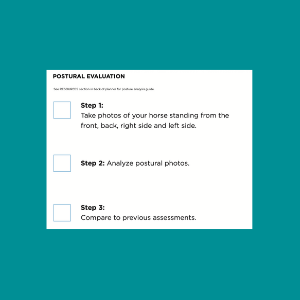
Starting Assessment
-
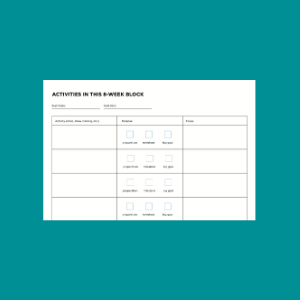
Eight-Week Focus
-
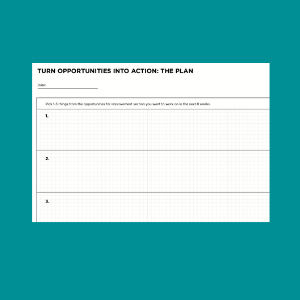
Training Plan
-
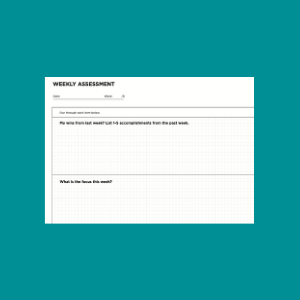
Weekly Planning & Session Tracking
-
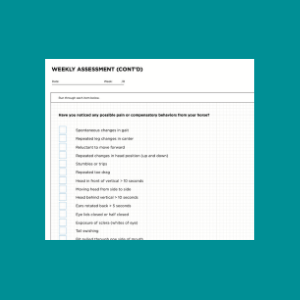
Workload + Recovery
-
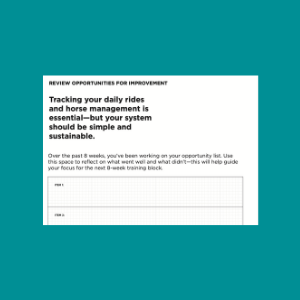
End-of-Block Review
Why eight weeks?
Meaningful change takes time—but a training plan should not run indefinitely without review.
Eight weeks gives you time to build consistency, notice patterns, develop strength and skill, and then step back to evaluate whether the plan is working.
Eight weeks is not a deadline. It's a structured point to review and decide what comes next.

The Ride Well Training Tracker is designed for thoughtful equestrians who want to:
Train with more purpose
Better understand their horse
Recognize gradual changes
Build strength and fitness progressively
Organize return-to-work plans
Monitor workload and recovery
Communicate more clearly with professionals
Stop relying on memory alone
Make better decisions about what happens next
Your horse does not need to be injured or have a major problem to benefit from tracking.
The tracker can be used for wellness, fitness development, training progression, rehabilitation, return to work, or performance goals.
who is the tracker for?

The First Ride Well Tracker Is Almost Here
I'm putting the first printed tracker to work with my own horses while I finish the Ride Well Foundations digital course.
Over the coming weeks, I'll be sharing the process in real time—how I assess horses, choose priorities, structure training blocks, decide what to track, and change the plan when the horse gives me new information.
Want first access?
Join the Ride Well list for:
First access when pre-orders open
The official launch date
Tracker previews
Behind-the-scenes case studies
Free Ride Well education
Updates about Ride Well Foundations
The Tool + The Teaching
The tracker gives you the structure.
Ride Well Foundations teaches you the method behind it.
The digital course will show you how to assess Posture, Performance, and Behavior, establish a baseline, choose meaningful priorities, build an eight-week training block, and review what happens next.
The tracker and Foundations course are designed to work together, but the tracker can also be used independently.
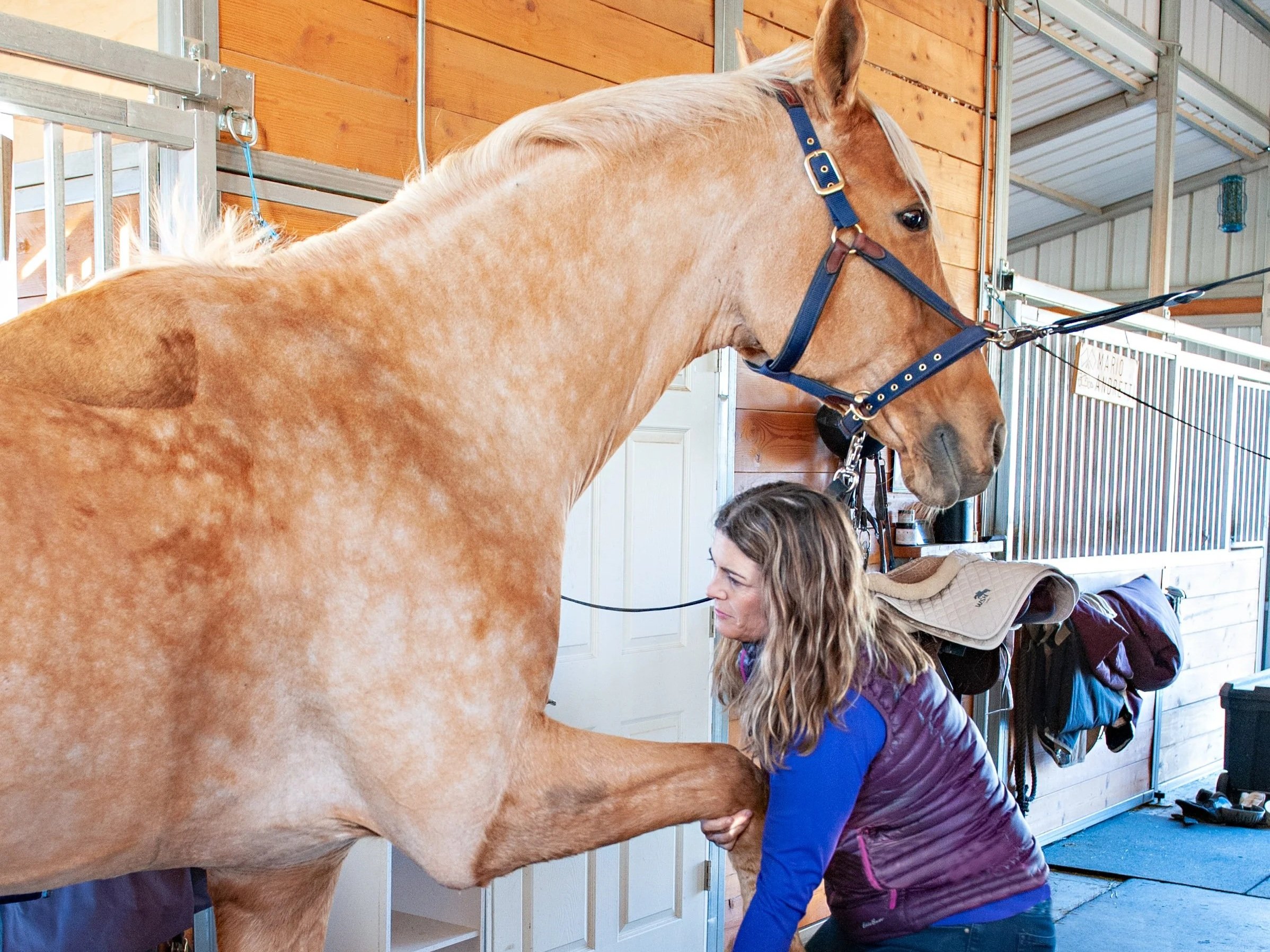

Train With Purpose. Track What Matters.
Understand the horse in front of you.
Build the plan.
Watch what changes.
Use the information to decide what comes next.
important note
The Ride Well Training Tracker is an educational and training-planning tool.
It does not diagnose injury, replace veterinary care, or guarantee that injury can be prevented.
When your horse shows meaningful changes in movement, comfort, behavior, or performance, the tracker can help you recognize and organize that information—but appropriate professional assessment may still be needed.