The ride well method
A Better Way to Understand, Train, and Support Your Horse
Ride Well is a practical horse-development and performance method built around one simple belief:
Good performance starts with wellness.
Instead of treating every resistance as disobedience or responding to every performance problem by asking the horse to work harder, Ride Well helps you observe carefully, investigate thoughtfully, and train with a clear purpose.
It is a way of asking:
What is the horse showing me?
What has changed?
What does this task require?
Does the horse have the strength, coordination, confidence, and understanding to meet that demand?
What should we develop or change?
What simply needs more time?
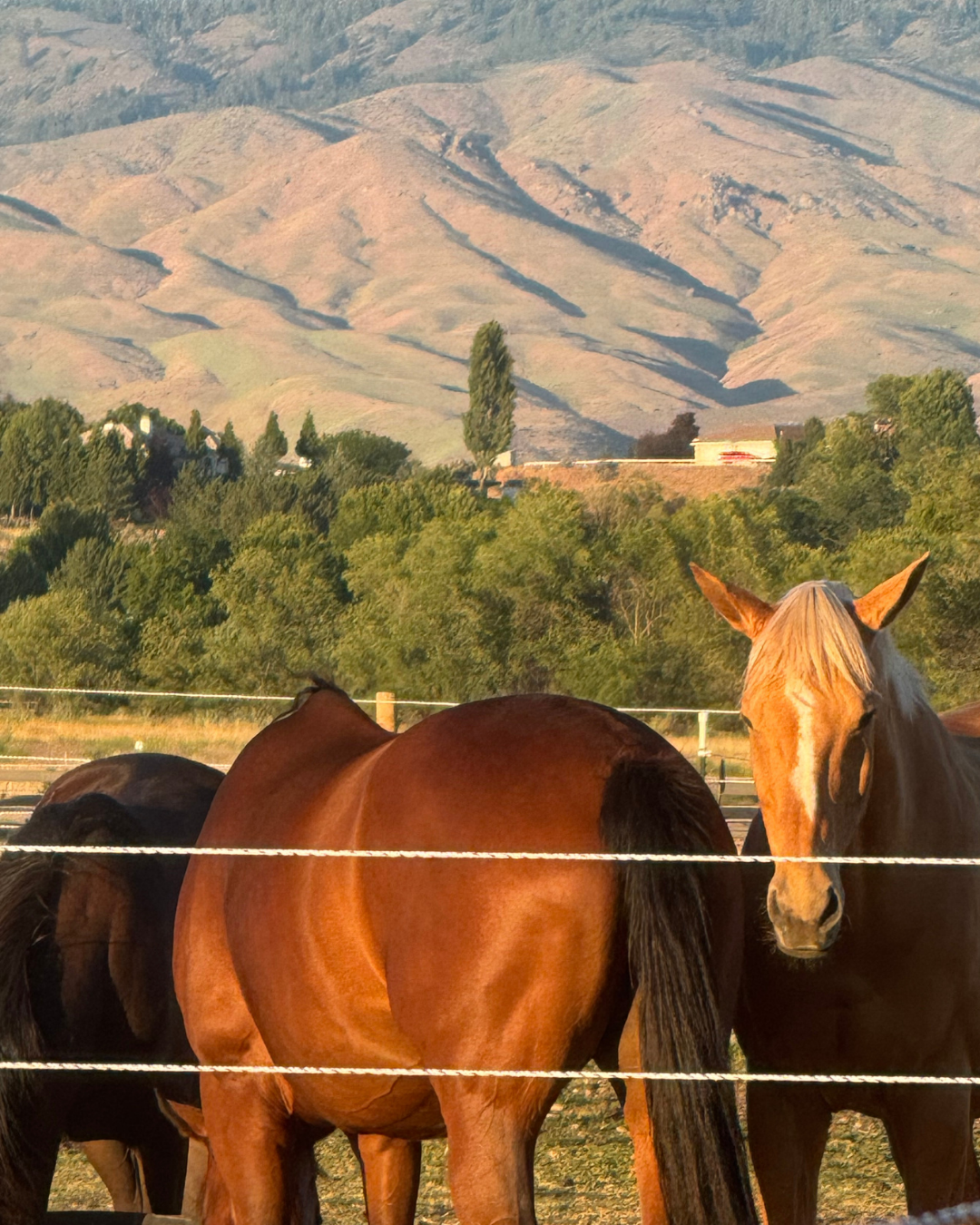
Your horse’s performance does not change for no reason.
A horse who begins hesitating, losing balance, struggling with transitions, changing their jump, resisting an exercise, or recovering poorly is giving you information.
That information may reflect:
Discomfort
Weakness
Confusion
Fatigue
Poor preparation
Tack or foot changes
Rider influence
Training demands that exceed current capacity
A need for more time, support, or professional assessment
Ride Well teaches you to observe before assuming and investigate before simply asking for more.
The Ride Well Lens:
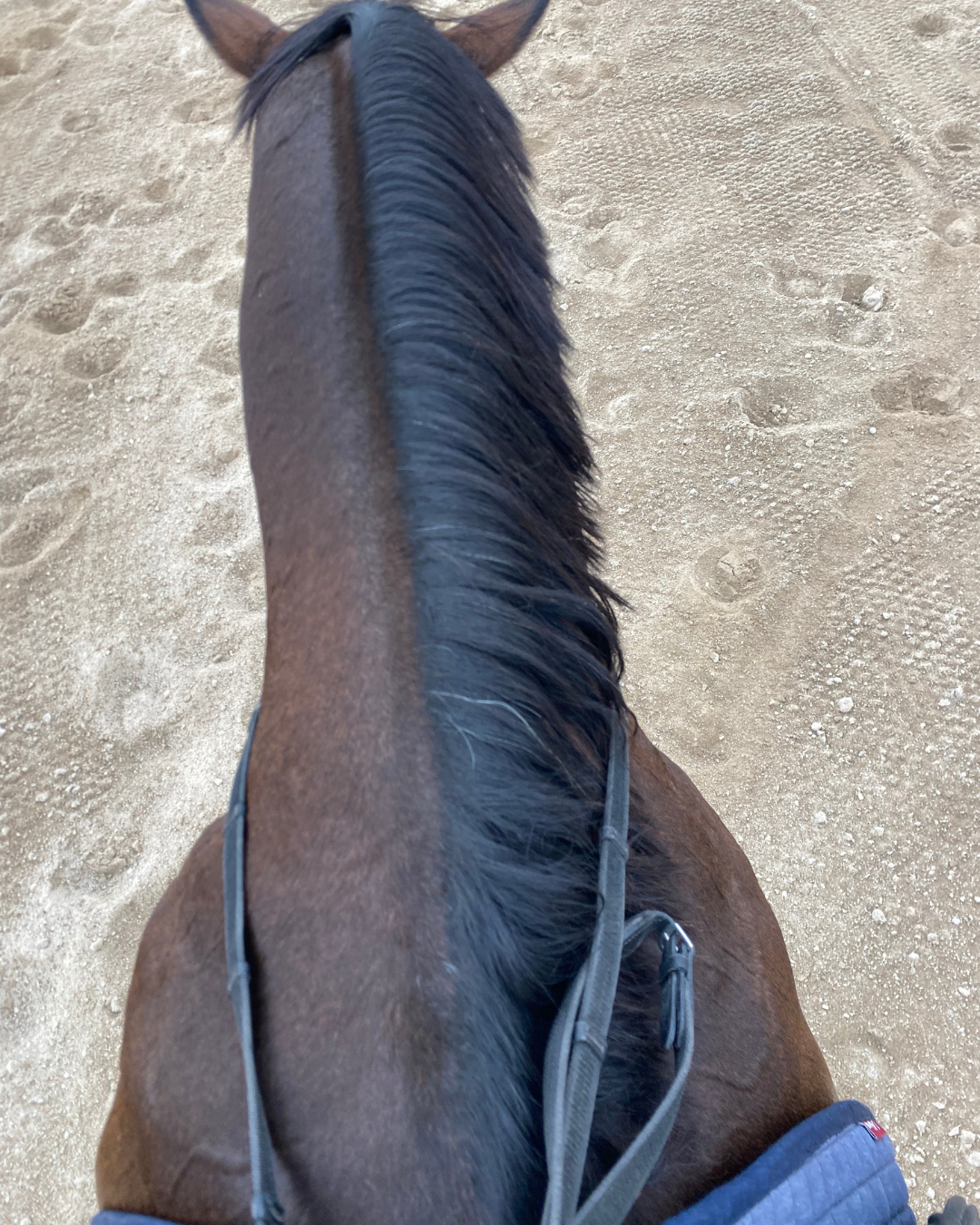
Posture, Performance, and Behavior
-
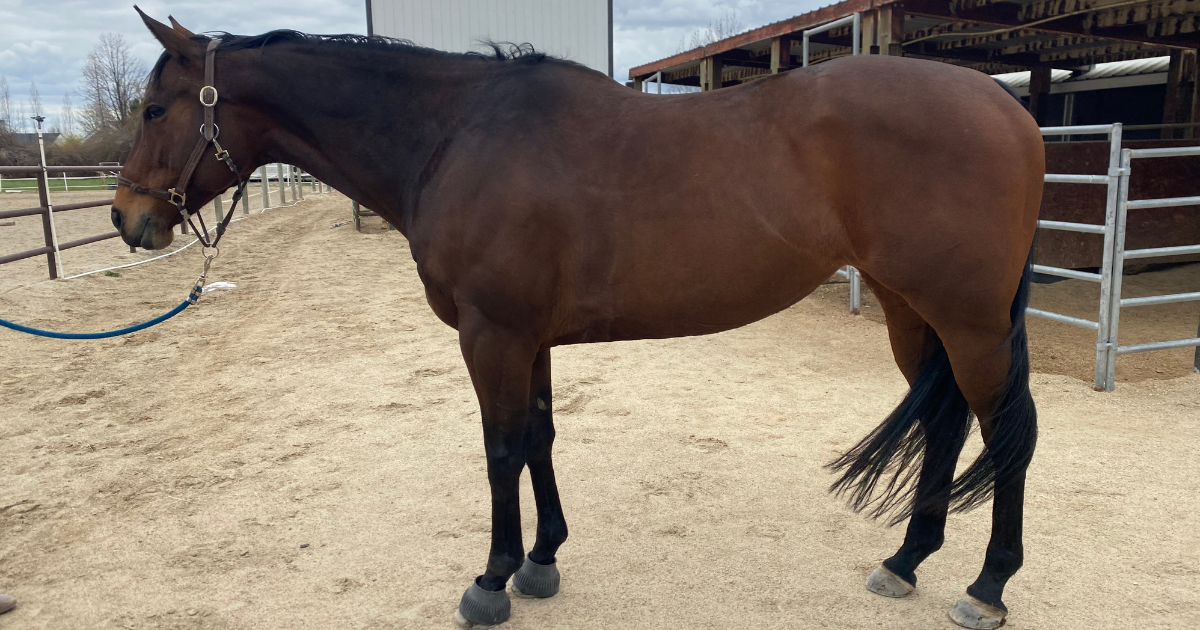
Posture
Look for changes in:
Alignment
Weight distribution
Balance
Muscle development
Range of motion
Symmetry
The horse’s normal baseline
-
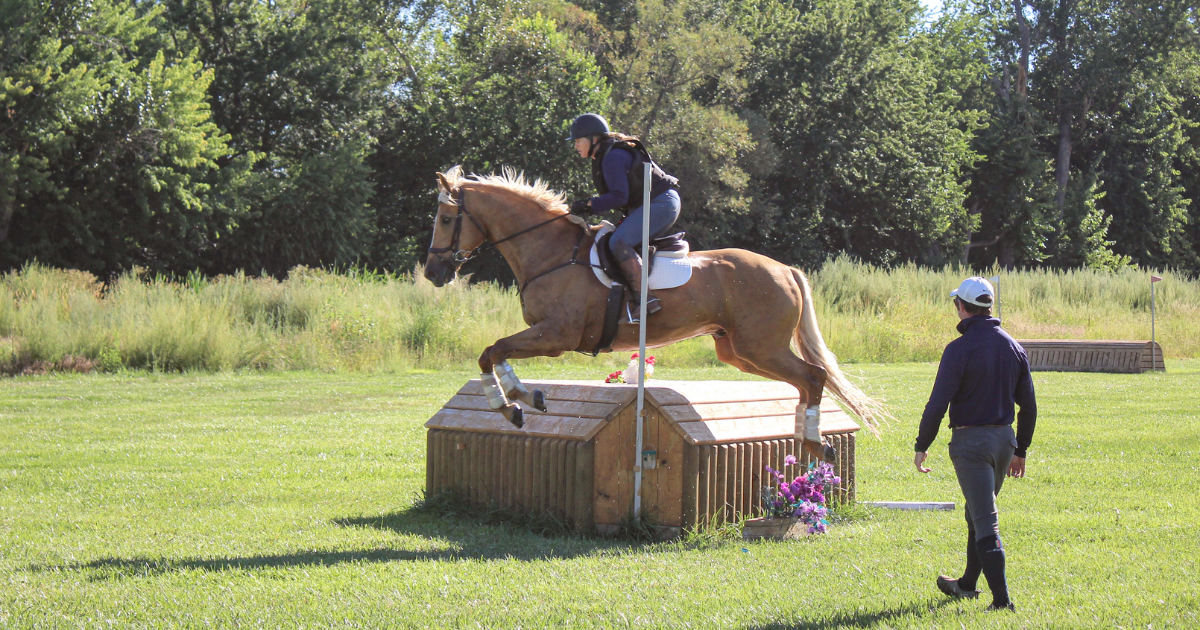
Performance
Look for changes in:
Rhythm
Transitions
Bending
Strength & coordination
Jumping
Recovery
Ability to perform familiar tasks
-
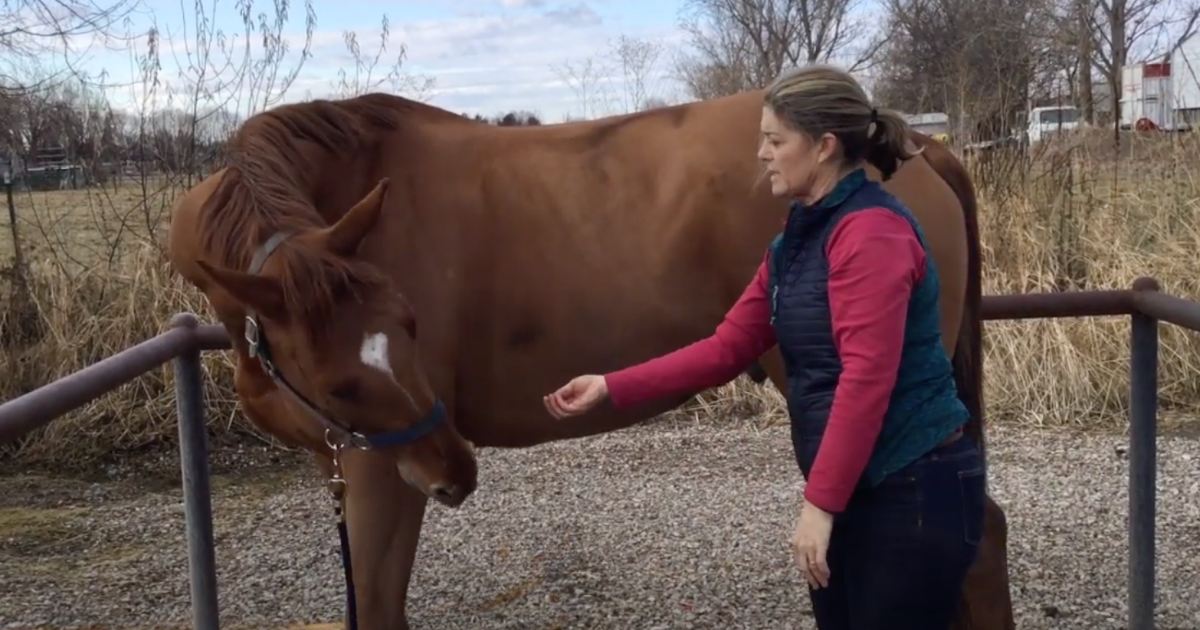
Behavior
Look for:
Anxiety
Hesitation
Resistance
Irritability
Avoidance
Loss of confidence
Changes in willingness
Behavior is information. It is not automatically disobedience, and it is not a diagnosis. It is a reason to look more closely.
The Ride Well Process
-
![]()
Assess
Establish the horse-and-rider baseline.
Consider posture, performance, behavior, workload, recovery, rider influence, current training, and the demands of the goal.
-
![]()
Plan
Choose the priorities that matter most.
Rather than trying to improve everything at once, identify a clear focus and create a realistic training plan.
-
![]()
Train
Use exercises with a purpose.
Training should progressively build the strength, skill, coordination, fitness, confidence, or understanding required for the horse’s job.
-
![]()
Track
Record what matters.
Track workload, response, recovery, meaningful changes, setbacks, and progress rather than relying on memory alone.
-
![]()
Review
Evaluate what happened.
Decide whether to:
Progress
Continue
Adapt
Regress
Pause
Seek additional support
Then begin the next block with better information.
Why eight-week training blocks?
Strength, coordination, confidence, fitness, and skill develop through repeated, appropriate work—not one or two good sessions.
Ride Well uses eight-week training blocks to help you focus on the complete horse-and-rider picture without trying to change everything at once.
Each block gives you time to consider how the horse, rider, tack, feet, workload, recovery, management, environment, and training plan interact—then choose one clear priority, train consistently, track the response, and review what changed.
Eight weeks is not a deadline for perfection.
It is a practical cycle for noticing patterns, building progress, and deciding what comes next.
Assess. Plan. Train. Track. Review.
Horse and Rider: Two Systems, One Partnership
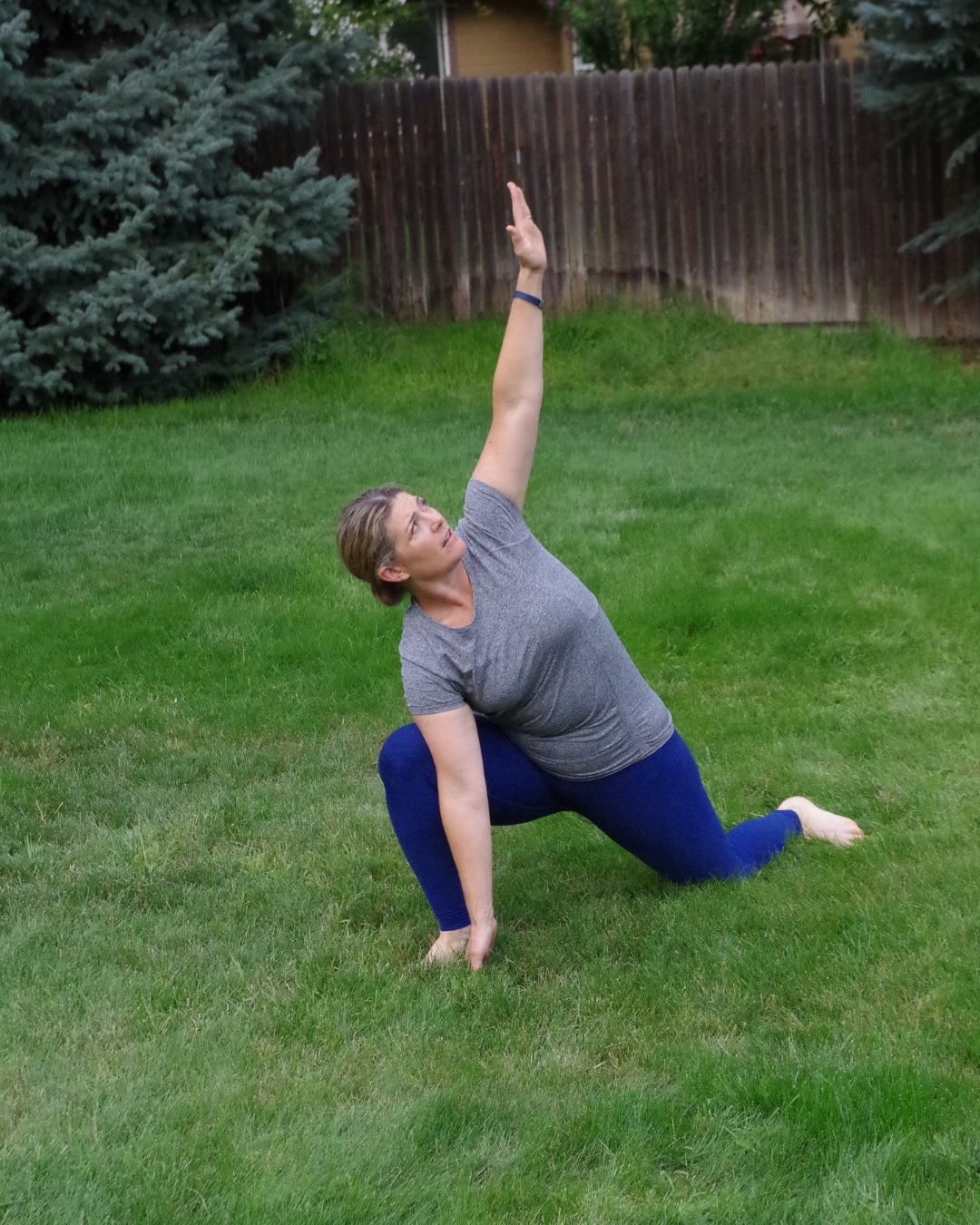
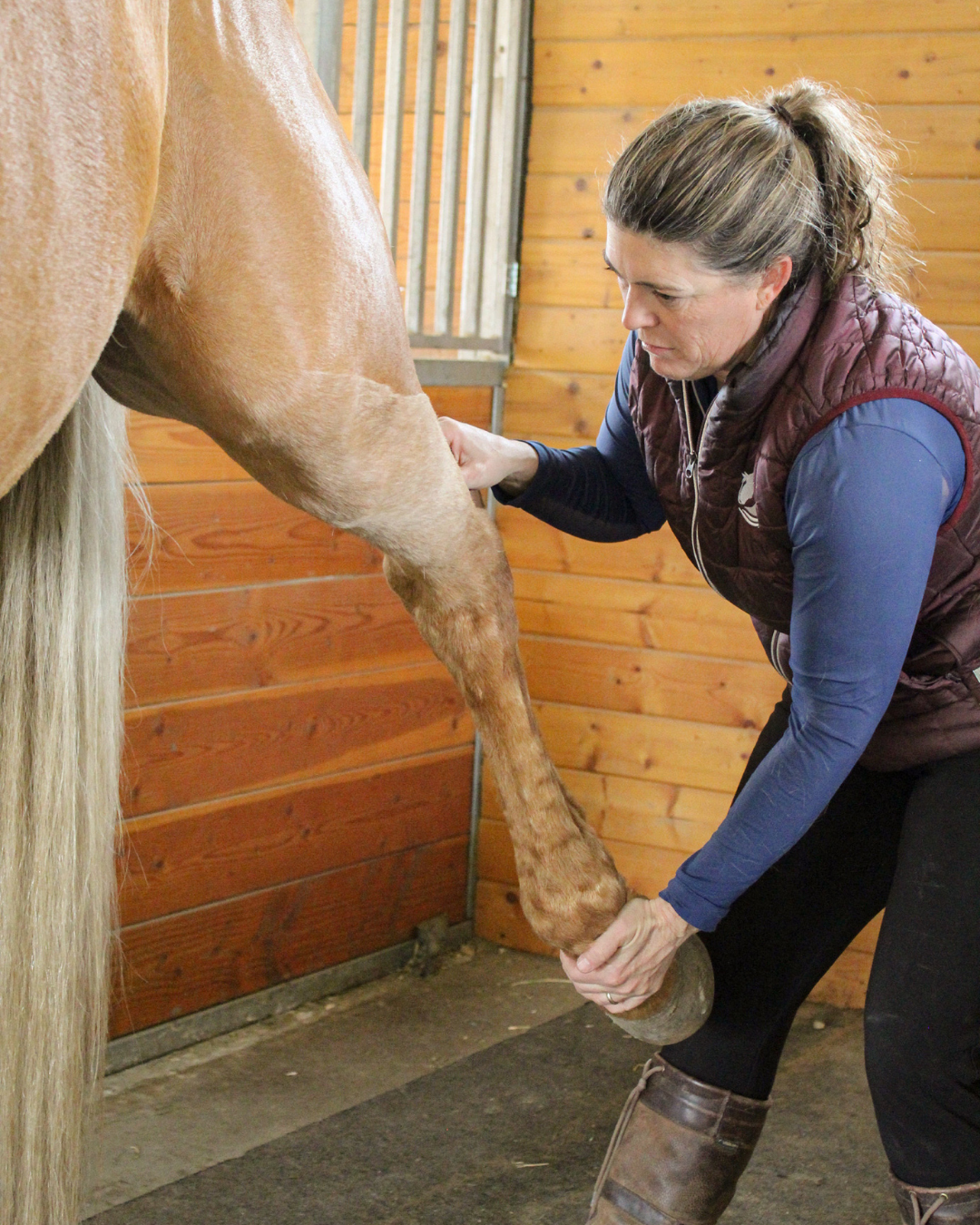
Horse and rider are two individual athletes, each with their own movement patterns, strengths, limitations, confidence, and experience. When they work together, those two systems need to coordinate.
The rider influences the horse, and the horse influences the rider. That is why Ride Well looks at both sides of the partnership—and at how they function together.
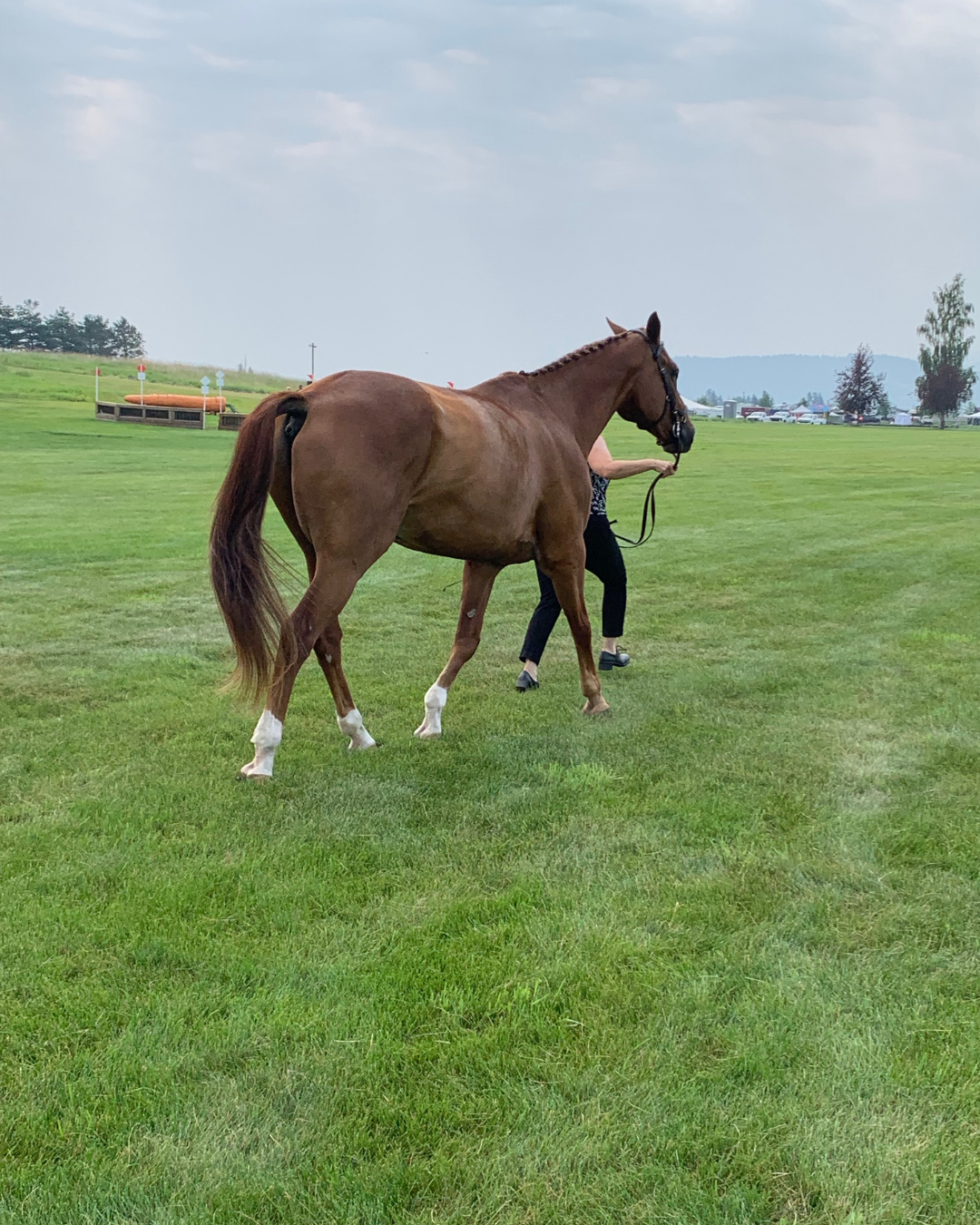
I train horses with their people—and people with their horses.
What Ride Well is - and what it is not
Ride Well is:
A practical framework for observing, planning, training, tracking, and reviewing
A method for making more thoughtful decisions
A way to notice patterns and changes over time
A framework for communicating more clearly with your professional team
Ride Well is not:
A veterinary diagnostic system
A guarantee that injury can be prevented
A substitute for hands-on examination
A rigid training recipe
A system that assumes every horse needs the same program
The Ride Well Promise
I will observe before I assume.
I will listen before I label.
I will build wellness before demanding performance.
I will celebrate progress over perfection.
I will train with purpose, reflect with honesty, and adapt with curiosity.
Because good performance starts with wellness.
Ready to put the Ride Well Method into practice?
Put the Ride Well Method into practice through the Ride Well Training Tracker, deeper learning in Ride Well Academy, and real-world examples from the horses and riders we learn from every day.