
Meet Shelley Thomas
I am fascinated by how horses and riders move, learn, adapt, and perform.
Hi, I’m Shelley!
I have spent more than 25 years working as a physical therapist and nearly a decade specializing in equine physiotherapy and horse-and-rider performance.
I am also a lifelong equestrian, horse trainer, and horse developer.
That combination shapes almost everything I do.
I do not see physiotherapy as separate from training, or training as separate from the horse’s physical capacity, confidence, behavior, or environment. And I do not believe we can fully understand performance without considering the rider.
I am interested in the whole picture.
When I work with a horse or rider, I am continually asking:
What am I seeing?
What has changed?
What does the task require?
Do they have the strength, mobility, coordination, confidence, and understanding to meet that demand?
What should we develop?
What should we change?
What simply needs more time?
That curiosity is at the heart of Shelley Thomas Performance and the Ride Well Method.

A Clinical Eye Shaped by More Than 25 Years of Movement Science
I graduated from the Mayo Clinic in 1999 with a Master’s degree in Physical Therapy after completing my bachelor’s degree in psychology.
My clinical career has included more than 25 years of working with people with orthopedic and neurological injuries. Physical therapy taught me to look beyond the painful body part and consider how strength, mobility, balance, coordination, previous injury, and the demands of the task influence movement as a whole.
As a lifelong rider, I naturally began applying that same way of thinking to horses and equestrian sport.
I later pursued additional education in equine rehabilitation and became a Certified Equine Rehabilitation Practitioner through the University of Tennessee.
Working with both horses and riders changed the way I see performance.
Horse and rider are two individual athletes, but they constantly influence one another. The rider’s movement, balance, timing, strength, and confidence affect the horse. The horse’s movement, physical capacity, comfort, confidence, tack, training history, and behavior affect the rider.
That interaction is one of the things I find most interesting about this work.
Horse Development Is a Core Part of My Work
My clinical background is only part of my perspective.
I have ridden horses most of my life and competed primarily in eventing, show jumping, and dressage. I have also managed large barns and performance horses, developed young horses, brought horses back from injury, and experienced plenty of the messy reality between a training plan and what actually happens when you walk into the barn.
I love training horses—especially the ones who make us think.
The young horse who needs time to develop their body and understand the job.
The horse returning from injury who is medically cleared but still needs to rebuild strength, coordination, fitness, and confidence.
The horse who is not obviously lame or injured but simply “isn’t quite right.”
Maybe the canter has changed. Maybe jumping feels different. Maybe behavior has changed. Maybe the rider simply says, “Something feels off.”
Those horses sit at the intersection of movement science and training, and that is a space where I love to work.
Rather than assuming the answer is simply more training—or more treatment—I want to understand what the horse is telling us and what they need in order to move forward.

Why I Created Ride Well
Over the years, I became increasingly frustrated by how easily horses can be treated like machines.
We ask them to engage more, bend more, jump better, become fitter, or learn something new—and sometimes assume that if they do not respond as expected, the answer is simply to ask harder.
I see things differently.
Changes in posture, movement, behavior, and performance are information. That does not mean every difficult ride indicates pain or injury. It does mean those changes deserve curiosity.
Ride Well grew out of the way I was already evaluating and developing horses.
I wanted to give equestrians a practical way to observe more carefully, identify meaningful priorities, create purposeful training plans, and track whether those plans are actually working.
The foundation is simple:
Good performance starts with wellness.
Through Ride Well Academy, I can teach that approach beyond the horses and riders I am able to work with personally.
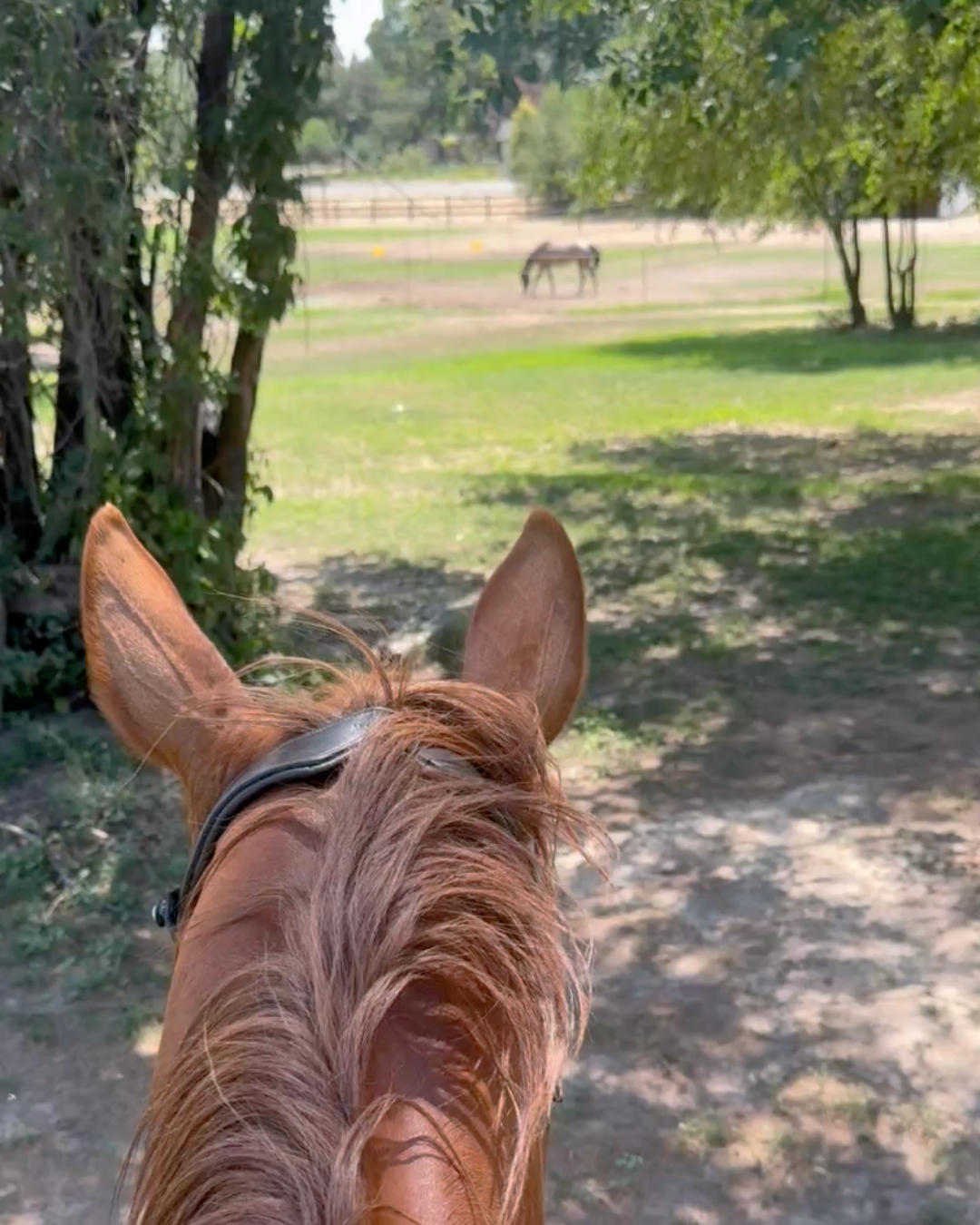
Based at Khaleesi Acres in Eagle, Idaho
Shelley Thomas Performance is based at Khaleesi Acres in Eagle, Idaho, where I work inside an active training and performance environment.
That setting matters enormously to me because I do not only see horses for isolated appointments and then wonder what happens afterward.
At Khaleesi Acres, I am surrounded by horses in different stages of development:
Young horses learning their jobs
Performance horses building strength and skill
Horses working through training challenges
Horses returning from injury
Riders developing their own biomechanics
Horses being prepared for new homes
It allows me to watch horses over time and see how training, physiotherapy, tack, feet, workload, recovery, rider influence, management, and environment intersect.
Khaleesi Acres is the home base for my Horse Development work and for a limited number of in-person horse, rider, and combined performance assessments.
It is also where many of the real horses and real situations behind Ride Well originate.
Two Parts of One Philosophy
-
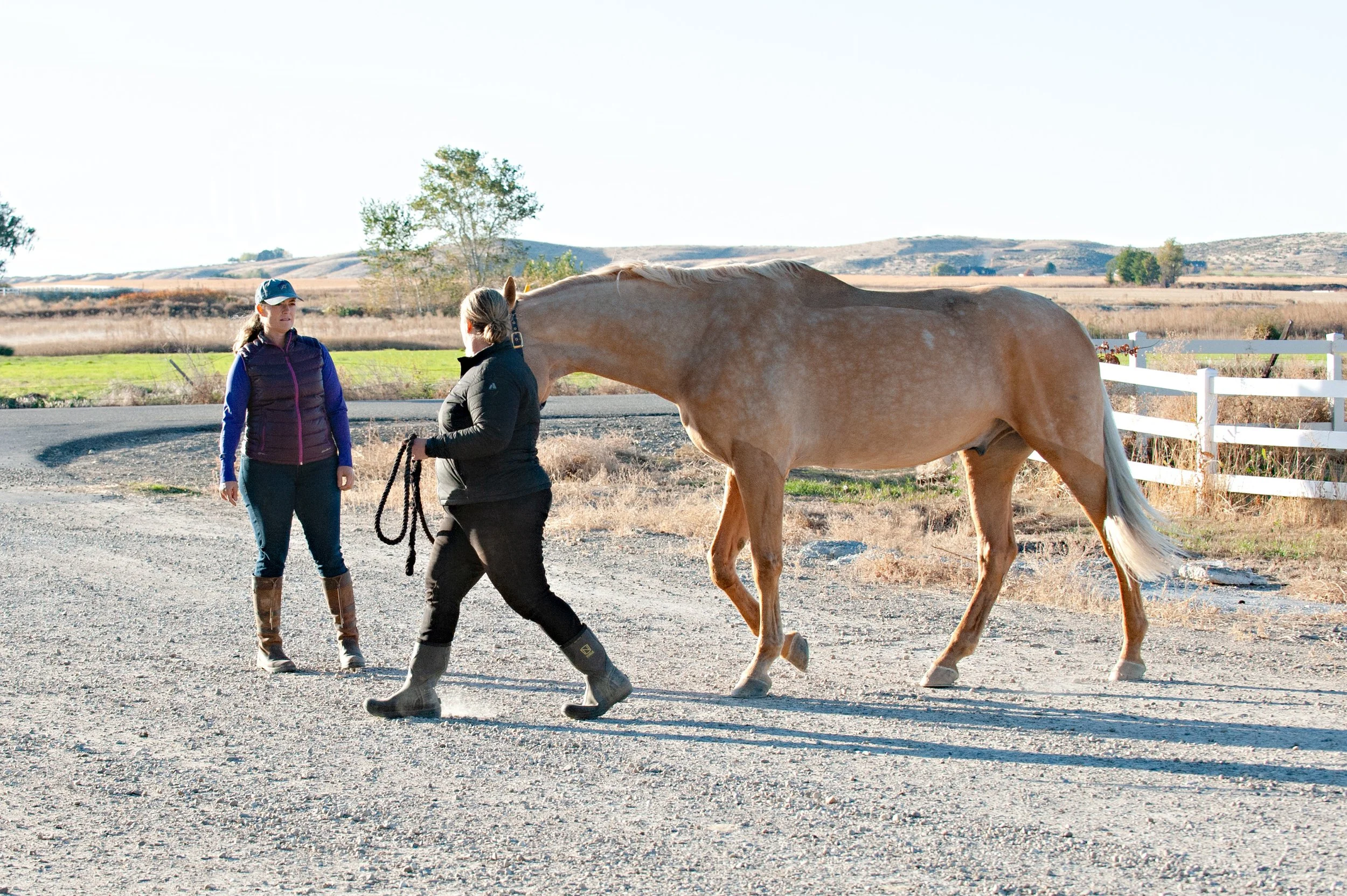
Ride Well Academy
I teach.
I help equestrians develop the observation and decision-making skills to understand their horses better, create thoughtful training plans, and recognize when something needs to change.
-
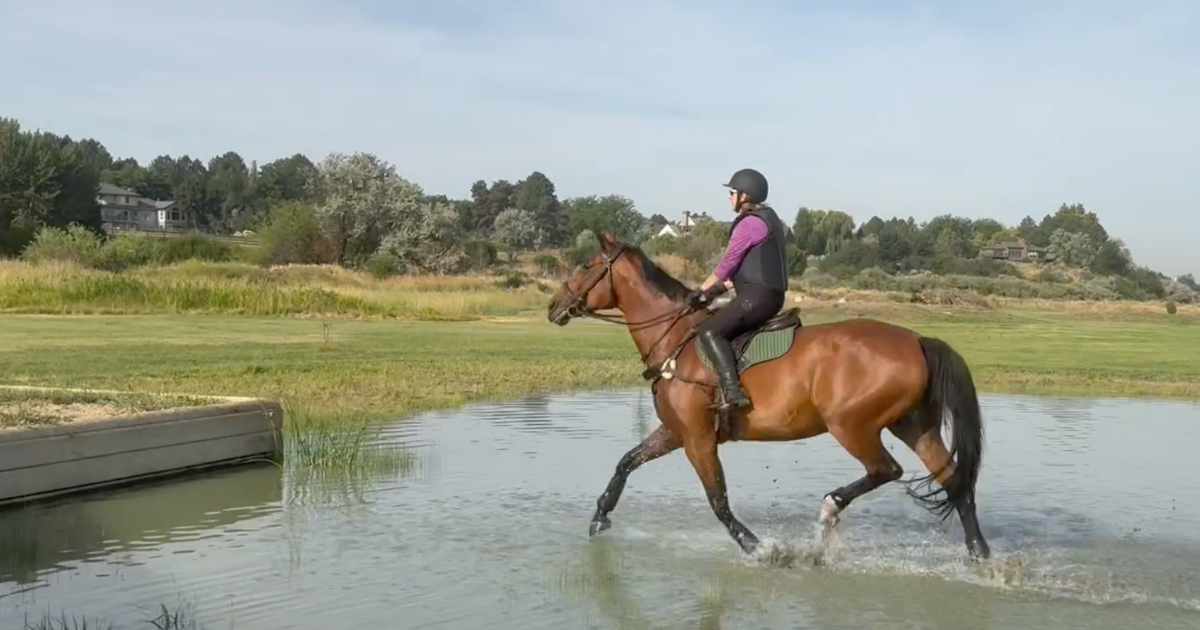
Horse Development
I develop the horse.
I apply those same principles through training—building strength, confidence, coordination, and capacity in young horses, rehabilitation horses, and horses who need a different approach.
Individual Assessment + Consulting
I also maintain a limited schedule for horse, rider, and combined performance assessments. My physiotherapy and biomechanics background informs this work—and also shapes the way I train horses and teach through Ride Well.
My Own Experience as a Rider
I also understand what it feels like when your own body becomes part of the problem.
After a significant riding accident in 2012, I found myself injured, deconditioned, and anxious about riding.
The frustrating part was that I knew what I should do. I was a physical therapist. I understood rehabilitation and exercise.
But knowing what to do and consistently putting it into practice are very different things.
That experience taught me that perfect plans are not particularly useful if you cannot sustain them.
It taught me that something is not nothing, and that an imperfect plan followed consistently usually accomplishes more than waiting for perfect conditions.
It also taught me firsthand how physical capability and confidence influence one another.
Those lessons still shape the way I work with both horses and riders.
Progress does not need to be perfect.
It needs to be thoughtful, consistent, and responsive to the athlete in front of you.
Master’s in Physical Therapy, Mayo Clinic, 1999
Bachelor’s degree in Psychology
More than 25 years of physical therapy experience
Certified Equine Rehabilitation Practitioner, University of Tennessee
Permitted Equine Therapist for FEI competitions
Nearly a decade specializing in equine physiotherapy and horse-and-rider performance
Lifelong equestrian
Experience in eventing, show jumping, and dressage
Horse trainer and young-horse developer
Experience managing barns and performance horses
Credentials + Experience
The Work I Want to Do
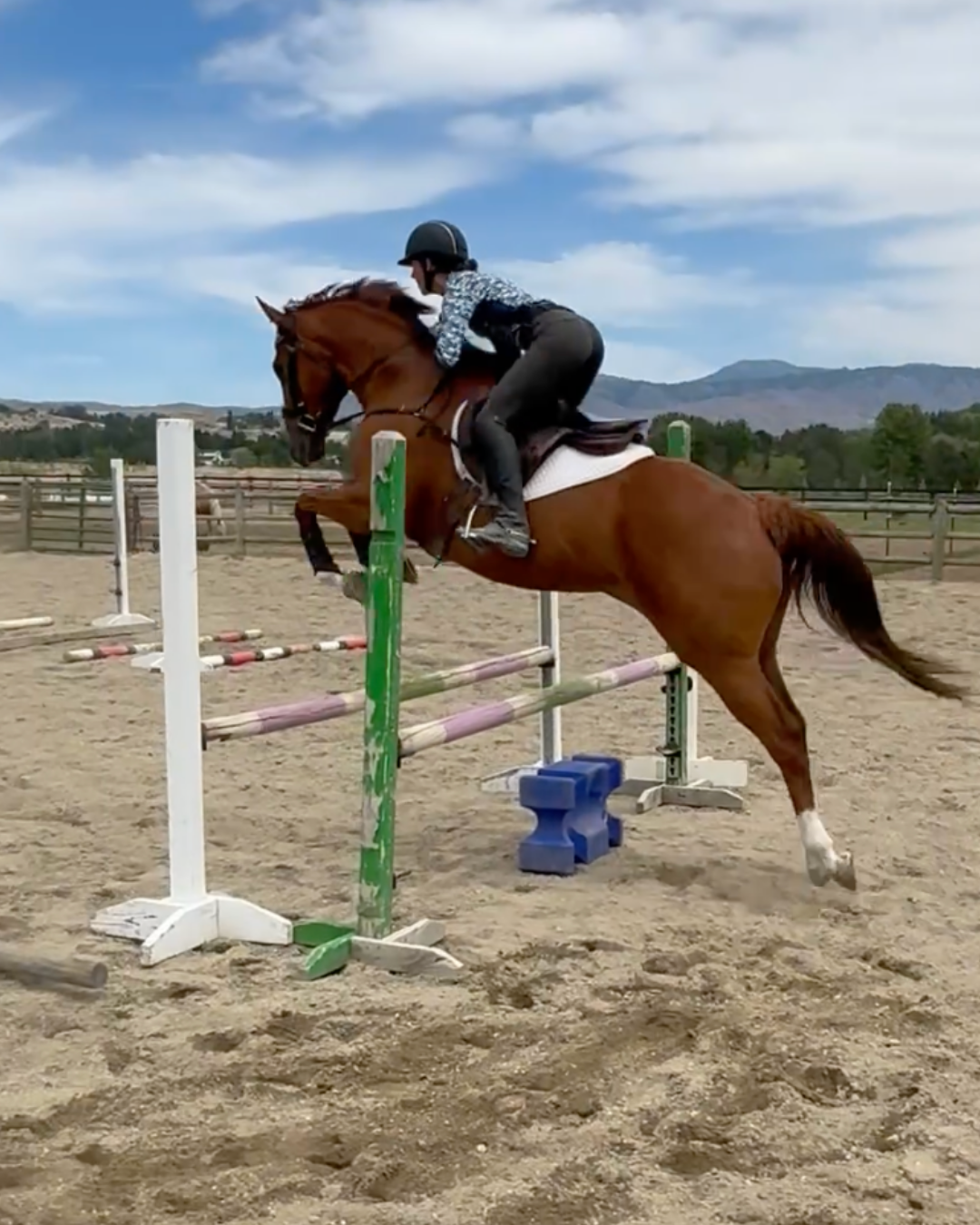
Ultimately, I want horses and riders to have longer, healthier, more successful partnerships.
Sometimes that means treatment.
Sometimes it means changing the rider.
Sometimes it means rebuilding the horse.
Sometimes it means changing the training plan.
And sometimes it means simply paying closer attention before deciding what comes next.
That is the work behind Shelley Thomas Performance.
Observe before you assume.
Train with purpose.
Build wellness before demanding performance.
Because good performance starts with wellness.
The Horse Who Changed My Direction
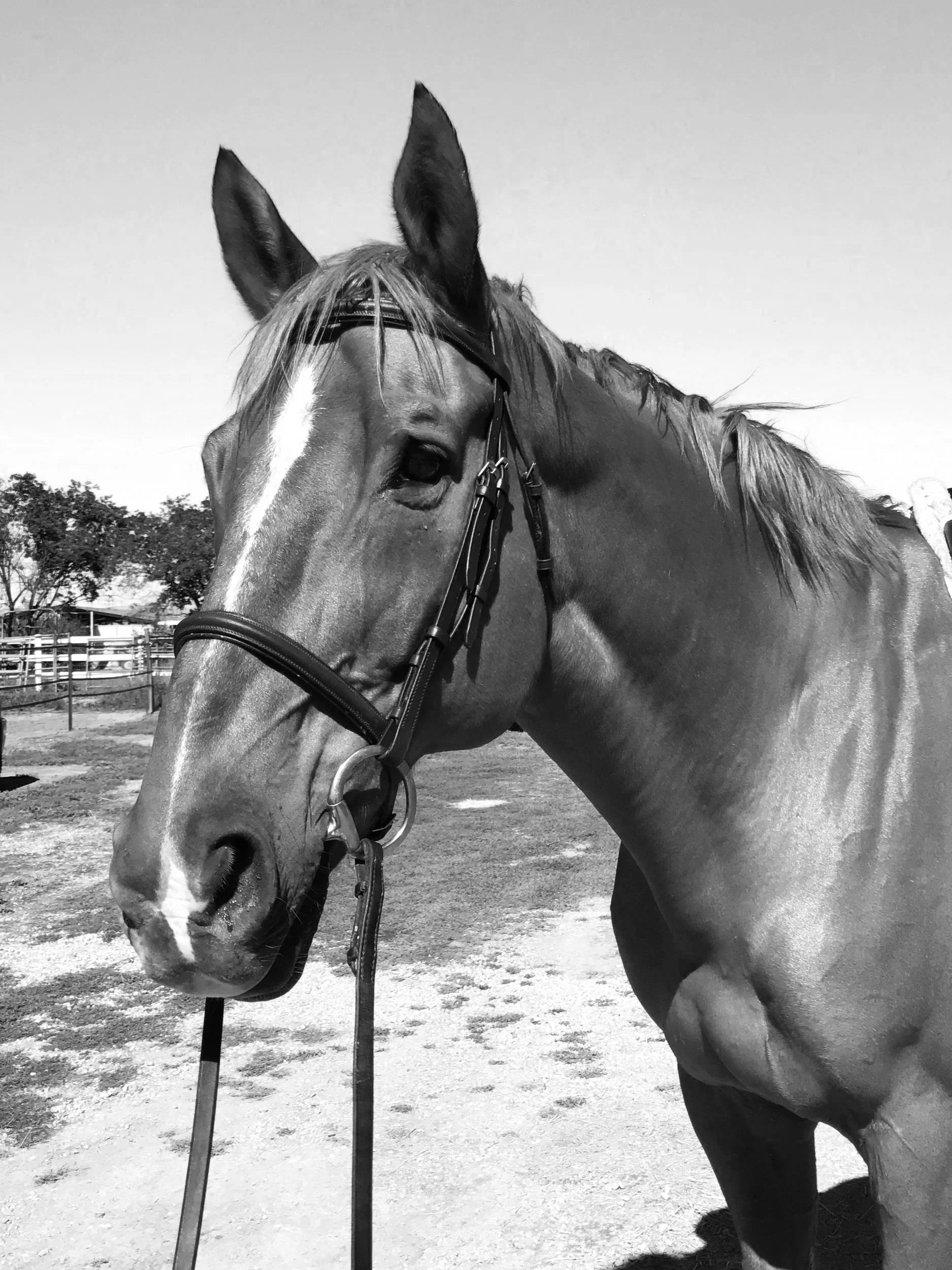
My business was inspired by Intrepid, my partner for ten years.
“Trep” taught me an enormous amount about horsemanship, riding, partnership, and being willing to change direction when something no longer fits.
He helped inspire me to step away from traditional healthcare and build a life and career centered more fully around horses.
Trep was my horse, and I was his person.
To my magnificent friend. I will love you and be grateful, for always.